Rigging Lead
March 2024 – May 2025
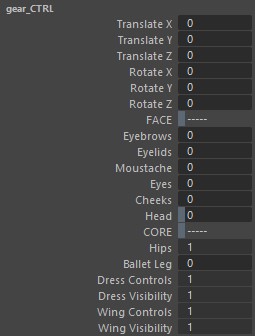
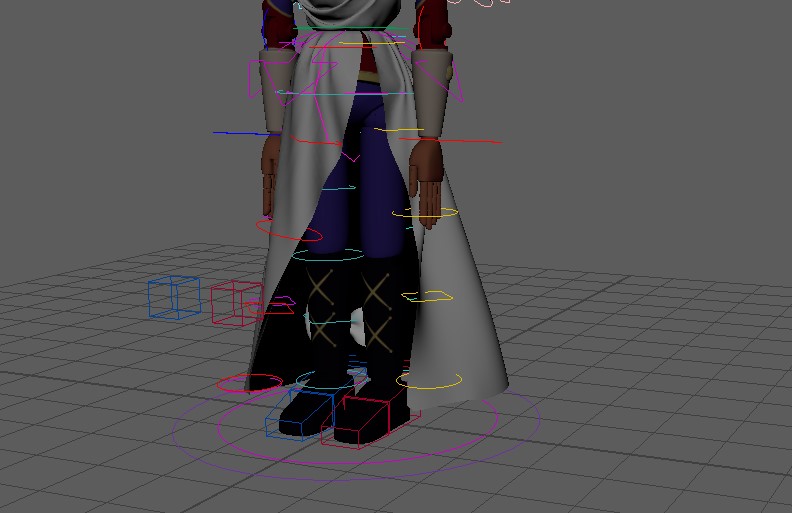
This rig comes with all the bells and whistles I typically deploy on a character rig and is an representation of my cumulative knowledge of rigging a bipedal character in Maya.
This rig also has bespoke features that I added after consulting the animators about their shots and what they needed to elevate their animations.
Fairy Play is an exploration of queer coded lighting through the story of a Toy Soldier becoming their true self. As rigging lead, I was involved in overseeing, troubleshooting, and revising all character rigs. My role encompassed both rigging and technical development. I explored aesthetic possibilities and modes of motion for the characters alongside the animation lead.
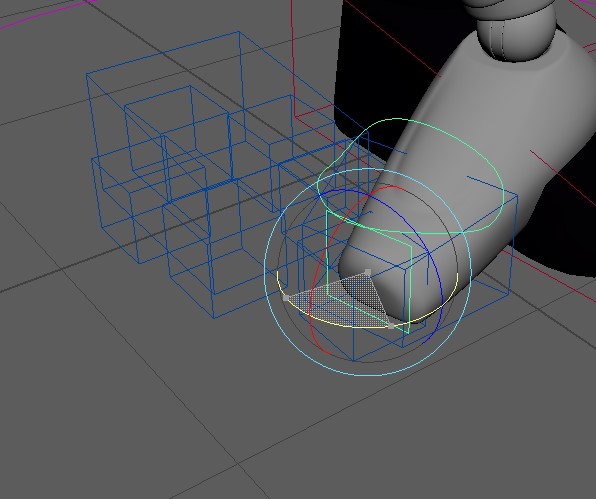
The inclusion of a ballet leg swap is baked into the story but the pivot points for animators to manipulate were a lengthy conversation. We worked with a ballet company from New York to choreograph the dance and that gave me the opportunity to fully understand the contact points necessary for fully realizing the dance.
Animation test by our lead animator, the dance sequence is one of the most pivotal moments in our film and getting the expressiveness to peer through while still having a rigidity to it was paramount to the Toy Soldier’s story arc.
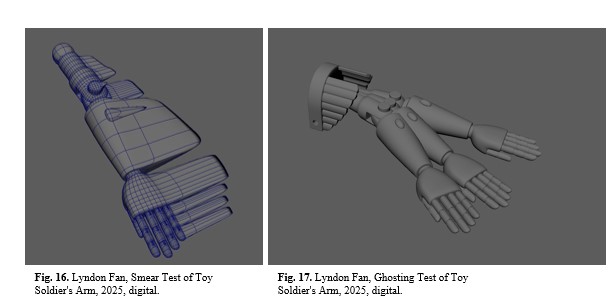
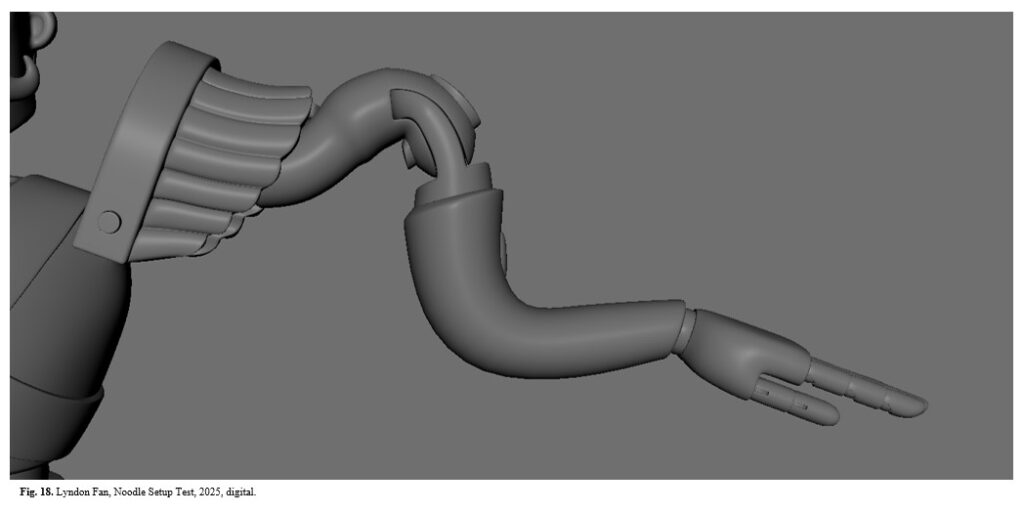
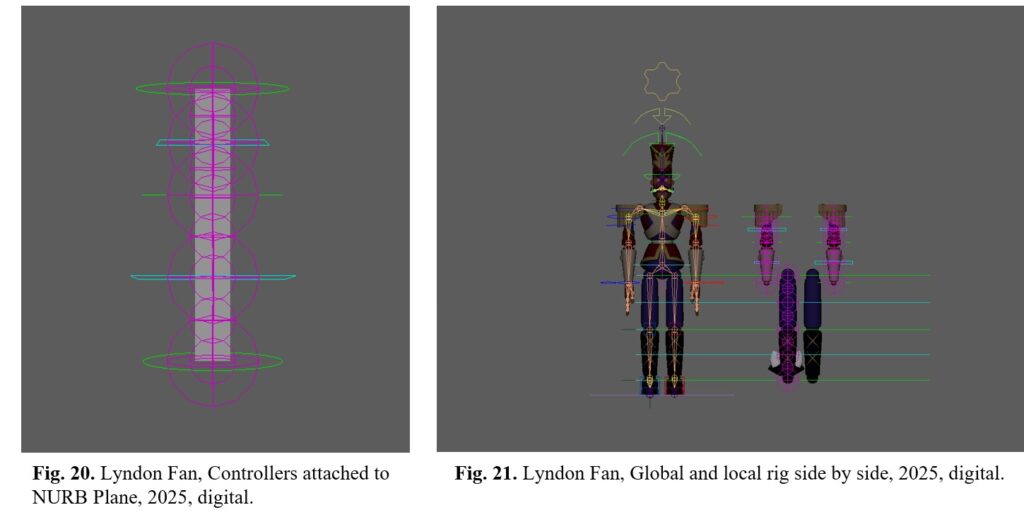
From Act 1, the toy soldier’s movement would be choppy and stiff. As we reach Act 3, the toy soldier would come to terms with their own identity and I pushed for their movement to become more fluid. To that end, we tested different modes of animation to express that fluidity. Smearing vertices, and ghosting geometries. The method that showed the most promise was a noodle setup, or rubber hose rig. The controllers on the global layer controls the controllers on a hidden rig copy that then through a live blendshape link feeds the cartoony deformations back to the main rig.
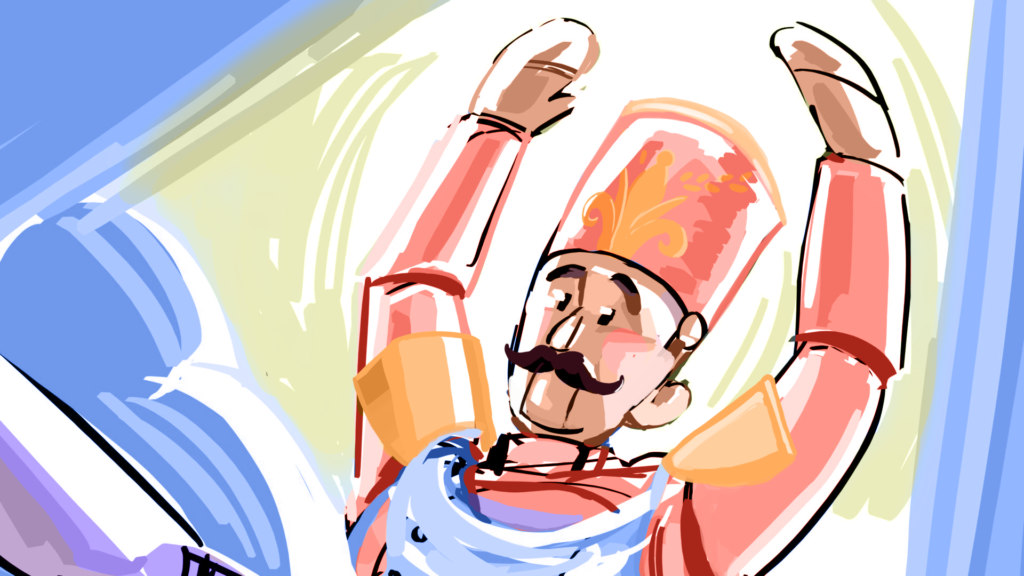
The setup utilizes a NURB curve to deform a copy of the arms or legs. The arm’s deformation is then layered on top of the displayed arms. This setup ensured we could toggle the deformations on and off with ease as well as continue to build the rig while key posing/blocking was underway. It was efficient and gave us time to onboard new animators.
To make the process of animation fun and educational for myself and the animators, de-cluttering was as important as the bespoke features requested by the lead animator. I sectioned off controls and geometry and ensured that the features of the rig were easily navigable. Especially where the dress was concerned.
Finally, there were 2 dresses that accompanied the rig, one for the 2nd act and one for the grand finale. The noodle setup was reused on the dress so the control scheme is familiar to animators. To top it off we blended the animation with a cloth-sim to get the best of both worlds. We can get our desired silhouettes and get a realistic flow to the dress.